
www.ptreview.co.uk
23
'26
Written on Modified on
Digital Twin Automates Energy Operations in Pharmaceutical Manufacturing
Almirall integrated Sener digital twin technology to optimize utility generation and lower energy consumption at its Sant Andreu de la Barca plant.
www.sener-group.com
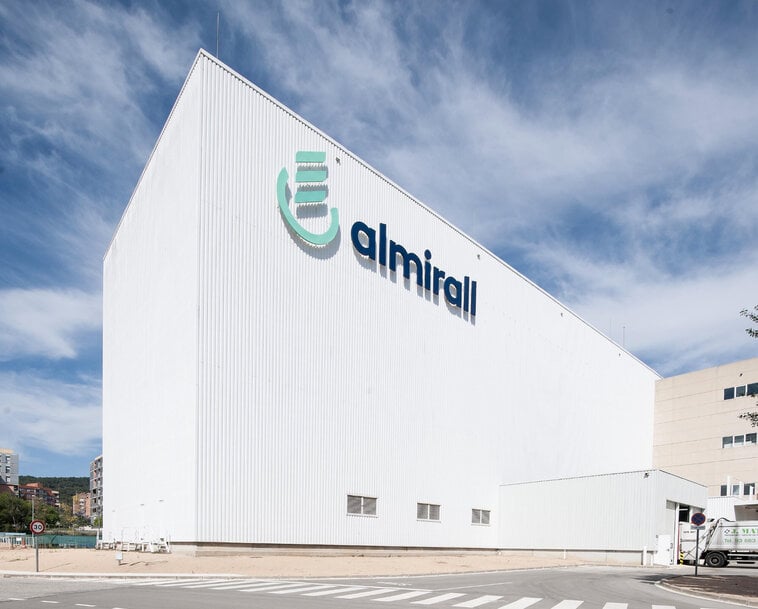
Application Area: Industrial Energy Optimization and Autonomous Process Control
Industry Sector: Biopharmaceutical Manufacturing
Almirall is a global biopharmaceutical company dedicated to medical dermatology and healthcare solutions. To align with its Act4Impact sustainability strategy, the organization focuses on cutting industrial carbon emissions and upgrading site infrastructure through advanced digital automation. At its manufacturing facility in Sant Andreu de la Barca, Barcelona, the company sought to transform utility operations by deploying an autonomous digital platform capable of maintaining high-volume pharmaceutical production while reducing reliance on fossil fuels.
Operational Challenges in Utility Management
Pharmaceutical production requires continuous coordination of complex, interdependent utility systems. The Sant Andreu de la Barca facility relies on generating plant steam, process cooling, climate-control heating, domestic hot water, and compressed air. Operating these systems involves managing an extensive array of production equipment alongside fluctuating external variables, such as ambient temperature and grid tariff changes.
The volume of incoming operational data made it impossible for manual operators to calculate and execute the most efficient equipment configurations in real time. Because multiple generation units can fulfill the same thermal utility demand, identifying the optimal operational mix manually led to inefficiencies and excess fuel consumption during peak load shifts.
Implementation of an Autonomous Digital Twin
To resolve these operational constraints, engineering group Sener developed and integrated a real-time digital twin tailored to the plant's utility infrastructure. The architecture combines thermodynamic modeling, predictive data analytics, and direct integration with existing supervisory control and data acquisition systems.
Unlike advisory platforms that only suggest setpoint adjustments to operators, this digital twin directly interfaces with plant equipment to autonomously execute real-time control actions. By continuously processing process variables, the system dynamically shifts loads and modulates generation equipment without requiring manual intervention, allowing facility personnel to shift from manual setpoint oversight to high-level system supervision.
Documented Efficiency Gains and Utility Reductions
Commissioned in the third quarter of 2025, the automated optimization system generated measurable reductions in plant energy intensity. Gas consumption at the Sant Andreu de la Barca site dropped by more than 60% compared with 2019 baseline levels. This reduction occurred concurrently with an output increase of 20 million units of finished pharmaceutical product over the same baseline year.
Furthermore, autonomous closed-loop control of the site steam generation equipment doubled the thermal efficiency of the utility process relative to the preceding year. These operational adjustments reduced overall utility expenditures while advancing the company toward its corporate decarbonization milestones.
Technical Scope and Future Expansion
The integration demonstrates how software modeling and physical plant automation interact to improve utility efficiency. Luis Marzá, Digital Solutions Business Development Manager at Dcode, Sener, stated: "The value of this project lies in having combined knowledge of the facilities with data analytics and automation capabilities. This integration has enabled the development of a pioneering solution tailored to the plant’s specific requirements and capable of delivering measurable improvements in energy efficiency. These technologies demonstrate that digitalisation can play a decisive role in industrial decarbonisation and help fundamentally transform the way facilities operate."
Following the initial operational results, Almirall established plans to scale the architecture across additional infrastructure. Future phases involve integrating more than 270 air handling units across the facility into the digital twin network. The expanded deployment will incorporate thermal storage management to absorb surplus on-site solar generation and schedule heavy consumption intervals during favorable electricity tariff windows, maintaining strict cleanroom environmental specifications at minimal power draw.
Edited by Natania Lyngdoh, Induportals Editor, with AI assistance.
www.group.sener.com
